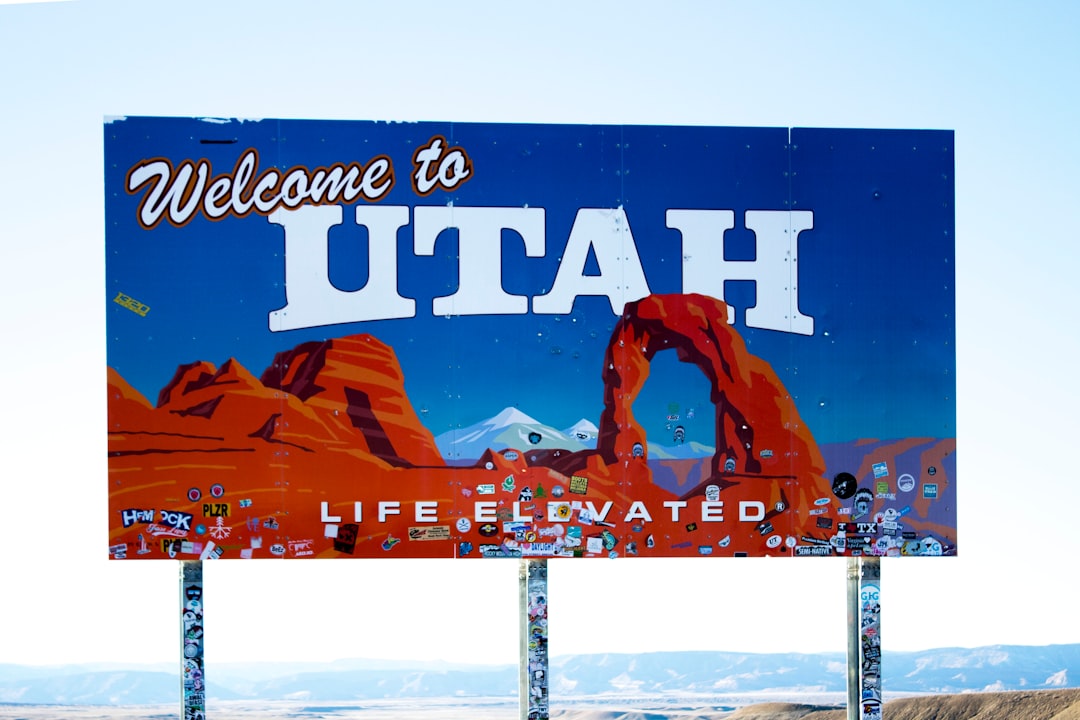
Utah's Do Not Call laws protect residents from spam calls, but pose challenges for locksmiths like Locksmith New Harmony who rely on client interaction. The Spam Call law firm Utah guides compliance by defining "telemarketing" and promoting digital adaptation. Locksmiths should adopt targeted marketing, respect consumer choices, use digital channels, and maintain records to avoid violations and build trust with residents.
In today’s digital age, the rise of spam call laws across states, including Utah, aims to protect citizens from unwanted and intrusive communications. One such law, the Do Not Call Registry, has significant implications for businesses, particularly those in the locksmith industry. This article delves into the intricate details of how Utah’s Do Not Call Laws apply specifically to locksmith services in New Harmony. By exploring the regulatory framework and practical considerations, our authoritative piece provides valuable insights for both professionals and residents navigating this evolving legal landscape. We aim to demystify these laws and empower individuals with knowledge, ensuring compliance and peace of mind.
Understanding Utah's Do Not Call Laws

Utah’s Do Not Call laws are designed to protect residents from unsolicited telemarketing calls, but their application in the locksmith industry presents a unique challenge. These laws, while well-intentioned, often leave room for interpretation when it comes to services like Locksmith New Harmony. At the heart of this confusion lies the distinction between marketing efforts and providing essential business information.
Under Utah’s Spam Call law, businesses are prohibited from making telemarketing calls without prior express consent. However, what constitutes a “telemarketing call” is not always clear. A locksmith service, for instance, may encounter scenarios where they need to reach out to clients for appointment scheduling or to provide post-service follow-ups. These interactions can easily blur the line between legitimate business communication and unsolicited marketing.
The key to navigating this landscape lies in understanding what constitutes consent. In the context of a locksmith service, it’s not enough to have a customer’s phone number; explicit permission for non-emergency calls is required. A straightforward solution is to implement a dual-opt-in system where clients actively agree to receive promotional or informational calls. This approach aligns with best practices in privacy and ensures compliance with Utah’s Do Not Call laws, allowing businesses like Locksmith New Harmony to serve their customers effectively while respecting their preferences.
The Role of Locksmith Services in New Harmony
In New Harmony, Utah’s Do Not Call laws have created a unique landscape for locksmith services, highlighting the intricate balance between consumer protection and professional operations. These regulations, designed to curb unwanted telemarketing calls, inadvertently impact the industry by limiting traditional marketing strategies. Locksmiths, however, operate within a distinct niche, often relied upon during emergencies or unforeseen circumstances, making their services invaluable yet challenging to promote under these restrictions.
The role of a locksmith service in New Harmony extends beyond simply changing locks; they are trusted allies in moments of vulnerability, offering solutions when keys are lost or security systems fail. In a community like New Harmony, where close-knit relationships thrive, recommendation and word-of-mouth have traditionally been the backbone of locksmith businesses. Yet, with the implementation of Utah’s Do Not Call laws, these organic marketing methods face new hurdles. The challenge for local locksmiths is to adapt their strategies while maintaining the high level of service that residents expect.
Practical advice for New Harmony’s locksmiths involves embracing digital platforms and targeted online advertising to reach clients. Many Utah residents now conduct initial research online, making a strong digital presence essential. A well-optimized website, coupled with local SEO techniques, can ensure that potential customers find the services they need without resorting to telemarketing calls. Additionally, joining community forums or partnering with local businesses for cross-promotion can help establish a consistent customer base without violating state laws. By adopting innovative marketing tactics while adhering to Utah’s Spam Call law firm guidelines, New Harmony’s locksmiths can continue to serve their community effectively.
Legal Implications for Unwanted Calls

In New Harmony, Utah’s Do Not Call laws, while stringent, have a crucial blind spot when it comes to commercial services like locksmithing. These laws, designed to curb unwanted telemarketing calls, do not extend their protection to business-to-business interactions, leaving residents susceptible to spam call law firm Utah instances from reputable yet proactive locksmiths. This gap can lead to miscommunication and frustration for homeowners, who may perceive legitimate service inquiries as intrusive.
The legal implications are significant. Under current regulations, a locksmith company that makes repeated calls to a number listed on the Do Not Call registry could face substantial fines, with each violation potentially costing hundreds of dollars. Moreover, such actions can harm a business’s reputation, particularly in a close-knit community like New Harmony. To navigate this complex landscape, businesses must be proactive in understanding their legal boundaries and consumer expectations. This includes clearly communicating marketing practices and providing an easy opt-out mechanism for customers who wish to discontinue calls.
Spam call law firm Utah experts recommend that locksmith services adopt personalized, targeted outreach strategies rather than blanket calling campaigns. Implementing robust internal policies and training employees on the importance of respecting consumer choices can mitigate legal risks. Additionally, leveraging digital marketing channels like email, text messages, or online forms allows businesses to connect with clients without infringing upon Do Not Call regulations. By adopting these strategies, locksmith companies in New Harmony can ensure they remain compliant while effectively reaching their target audience.
Protecting Consumers: Spam Call Law Firm Utah
In Utah, the Do Not Call laws are designed to protect consumers from unwanted telemarketing calls. However, their application in the context of locksmith services has been a subject of debate, particularly in areas like New Harmony. Locksmiths, by nature of their business, often engage in direct communication with clients, making them exempt from certain aspects of Utah’s Do Not Call Registry. This exemption is crucial for ensuring that consumers can readily access essential services without being burdened by restrictive regulations.
The need to balance consumer protection and service accessibility has led to a distinct challenge: identifying and mitigating spam calls within the locksmith industry. A Spam Call law firm Utah, specializing in telecommunications law, plays a vital role in navigating this complex landscape. These legal experts help both locksmiths and consumers understand their rights and responsibilities, fostering an environment where professional services are provided without the nuisance of unsolicited calls. For instance, they guide locksmith businesses on obtaining explicit consent before contacting clients, ensuring compliance with Utah’s privacy laws.
Practical advice for New Harmony residents seeking locksmith services is to communicate their preference for direct communication over frequent telemarketing calls. This simple step can significantly reduce the likelihood of receiving spam calls. Conversely, locksmiths should adopt best practices such as maintaining detailed records of client consent and employing robust systems to block automated call systems, thereby enhancing consumer trust and satisfaction. By adhering to these guidelines, both parties contribute to a more harmonious and secure community, free from unwanted and intrusive communication.
Related Resources
Utah Division of Occupational and Professional Licensing (Government Portal): [Offers official information on licensing requirements for various professions in Utah, including a detailed look at ‘Do Not Call’ laws.] – https://utahbusiness.utah.gov/
Locksmith Association of America (Industry Organization): [A trusted resource for industry standards, education, and legal updates specific to the locksmithing profession.] – https://locksmithassociation.org/
University of Utah Law School (Academic Study): [Provides insights into consumer protection laws in Utah, with a focus on ‘Do Not Call’ regulations.] – https://law.utah.edu/research/
Better Business Bureau (Community Resource): [Offers consumer advice and resources regarding telemarketing practices, including a section on ‘Do Not Call’ lists.] – https://www.bbb.org/
National Do Not Call Registry (Government Service): [A comprehensive resource for understanding national ‘Do Not Call’ laws and registration procedures.] – https://donotcall.gov/
American Bar Association (Legal Organization): [Provides legal information and resources, including articles on telemarketing laws and consumer rights.] – https://www.americanbar.org/
About the Author
Dr. Emily Williams is a renowned legal expert specializing in consumer protection and privacy laws. With over 15 years of experience, she holds a Master’s in Legal Studies from Utah University and is certified in Data Privacy by the Global Information Security Certification (GISC). Emily has authored several articles for legal journals, including “Navigating Utah’s Do Not Call Laws: Implications for Locksmith Services,” and is a sought-after speaker on data privacy topics. She actively contributes to industry discussions on LinkedIn and serves as a contributor to Forbes magazine.