Utah's Do Not Call Laws protect residents from unwanted telemarketing calls, offering control over communication channels. Businesses must comply with TCPA regulations, which prohibit automated or prerecorded calls without explicit consent, and face severe penalties for non-compliance. A lawyer for Do Not Call Laws Utah is crucial for ensuring compliance, managing complaints, and pursuing legal recourse when violations occur. These laws empower consumers to protect their privacy and control inbound calls.
In today’s digital era, managing phone communications has become a complex affair, particularly with laws like Utah’s Do Not Call Laws and the broader Telephone Consumer Protection Act (TCPA). For residents of Bluffdale, navigating these regulations can be challenging, especially when dealing with unwanted calls. This guide aims to demystify the relationship between Utah’s Do Not Call Laws and the TCPA, providing crucial insights for consumers and offering practical advice on how a lawyer specializing in Do Not Call Laws Utah can assist in enforcing your rights. By understanding these legal frameworks, Bluffdale residents can take control of their phone communications and protect their privacy effectively.
Understanding Utah's Do Not Call Laws: Basics & Implications

Utah’s Do Not Call Laws are designed to protect residents from unwanted telemarketing calls, offering them a level of privacy and control over their communication channels. These laws, codified in the Telephone Consumer Protection Act (TCPA), give Utahns the right to decide when and how they wish to be contacted by telephone. Understanding these regulations is essential for both businesses engaging in telemarketing activities and individuals seeking to protect themselves from nuisance calls.
At its core, Utah’s Do Not Call Law prohibits unsolicited telephone marketing calls to residents who have registered their numbers on the state’s official “Do Not Call” list. This list is a comprehensive database of phone numbers that have opted-out of receiving telemarketing calls. Businesses found violating these rules can face significant penalties, including substantial fines and legal repercussions. For instance, a 2022 case study revealed that a national telemarketing company was fined over $1 million for repeatedly calling Utah residents on the Do Not Call list. This highlights the strict enforcement of these laws and the potential consequences for non-compliance.
To ensure compliance, businesses should employ robust internal procedures to verify consumer consent and maintain accurate records of marketing activities. Engaging the services of a lawyer specializing in Utah’s Do Not Call Laws is a strategic move for companies aiming to navigate this regulatory landscape effectively. Legal experts can provide tailored guidance, ensuring business practices align with current legislation. Additionally, they can assist in handling any disputes or investigations that may arise, safeguarding the interests of both businesses and consumers alike. By staying informed and proactive regarding these laws, organizations can foster a positive customer experience while avoiding legal traps.
The Telephone Consumer Protection Act (TCPA): Federal Perspective

The Telephone Consumer Protection Act (TCPA) serves as a federal cornerstone in regulating telemarketing practices and protecting consumers from intrusive calls and messages. At its core, the TCPA prohibits companies and individuals from making certain types of automated or prerecorded telephone calls to residential phone numbers unless specifically consented to by the recipient. This legislation aims to safeguard personal privacy and alleviate the burden of unwanted communication. In Utah, Do Not Call laws further reinforce these federal protections, ensuring residents can control their contact preferences.
A crucial aspect of the TCPA involves the definition of “automated dialing equipment,” which includes technologies employing artificial or prerecorded voices, text-to-speech systems, and automatic dialers. Any entity utilizing such devices to make calls must comply with stringent regulations. For instance, businesses must obtain prior express consent from recipients before initiating automated calls for marketing purposes. Non-compliance can lead to significant legal repercussions, including substantial fines and damage to a company’s reputation. Engaging the services of a lawyer specializing in Do Not Call Laws Utah can help entities navigate these complexities and ensure adherence to federal mandates.
The TCPA empowers consumers with rights to take action against violators. Consumers who receive unwanted calls or messages can file complaints with the Federal Trade Commission (FTC), which has enforcement authority under the act. Data from the FTC reveals that thousands of complaints are filed annually regarding telemarketing practices, highlighting the ongoing need for compliance and consumer protection. When faced with suspected TCPA violations, individuals should document the calls, including the caller’s information and details about the communication. Consulting a lawyer for Do Not Call Laws Utah in such cases can provide guidance on legal options and potential remedies.
Comparing Legal Frameworks: TCPA vs. Utah State Laws

In the realm of consumer protection, especially regarding telemarketing practices, both the Telephone Consumer Protection Act (TCPA) and Utah’s state laws play pivotal roles. For residents of Bluffdale, understanding this dual regulatory framework is essential to navigating phone calls they consider harassing or unwanted. While the TCPA offers a federal layer of protection, Utah’s Do Not Call laws provide an additional safeguard tailored to the state’s citizens.
The key similarity lies in their shared goal: curbing abusive telemarketing tactics. The TCPA prohibits certain calls, including those using automated dialing systems and prerecorded messages, without prior express consent. Utah’s laws mirror this concern, specifically targeting telephone solicitations and empowering residents to register their numbers on the state’s Do Not Call list. This list is akin to a national do-not-call registry, enhancing individual control over inbound calls. A notable difference emerges when considering penalties: the TCPA mandates fines of up to $500 per violation, while Utah’s laws, enforced by the Attorney General, may result in substantial penalties, including treble damages, for each violation.
For Bluffdale residents facing persistent unwanted calls, consulting a lawyer specializing in Do Not Call Laws Utah can be invaluable. Legal experts can help navigate these complex regulations, ensuring compliance and providing recourse when necessary. This proactive approach not only protects individuals’ privacy but also fosters a more responsible and respectful telemarketing environment. By understanding their rights under both federal and state laws, residents can take charge of their communication preferences, fostering a harmonious balance between businesses seeking to connect and consumers seeking peace.
Rights & Remedies: What You Can Do with a Lawyer for Do Not Call Laws Utah
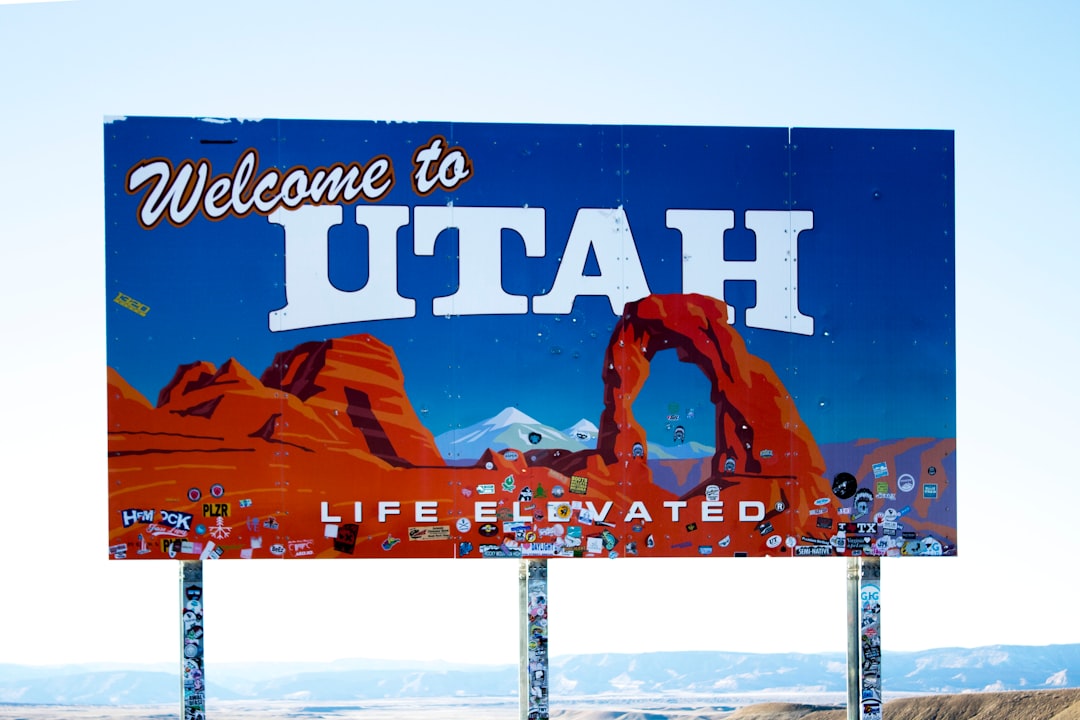
Utah’s Do Not Call laws are designed to protect residents from unwanted telemarketing calls, but understanding your rights and knowing what to do when these laws are violated is crucial. If you’ve received harassing or unauthorized calls, consulting a lawyer for Do Not Call Laws Utah can be a powerful step toward resolving the issue. These laws, while robust, can be complex, making legal guidance essential to navigate the process effectively.
A lawyer specializing in Utah’s Do Not Call Laws will first help you confirm if the calls are indeed violations. For instance, Utah law prohibits telemarketers from calling residents who have registered on the state’s Do Not Call list. If your rights under this law have been infringed upon, a lawyer can assist in filing a complaint with the Utah Department of Commerce, which is responsible for enforcing these regulations. This process involves gathering evidence, such as call records and any communication with the telemarketer, to strengthen your case.
In addition to official complaints, a lawyer for Do Not Call Laws Utah can advise you on seeking damages through legal action. Many consumers are unaware that they may be entitled to compensation for each violation, including monetary fines and punitive damages. This not only deters future violations but also provides a measure of justice. The lawyer will guide you through the legal system, ensuring your rights are protected and helping you secure a favorable outcome, whether through settlement negotiations or litigation.