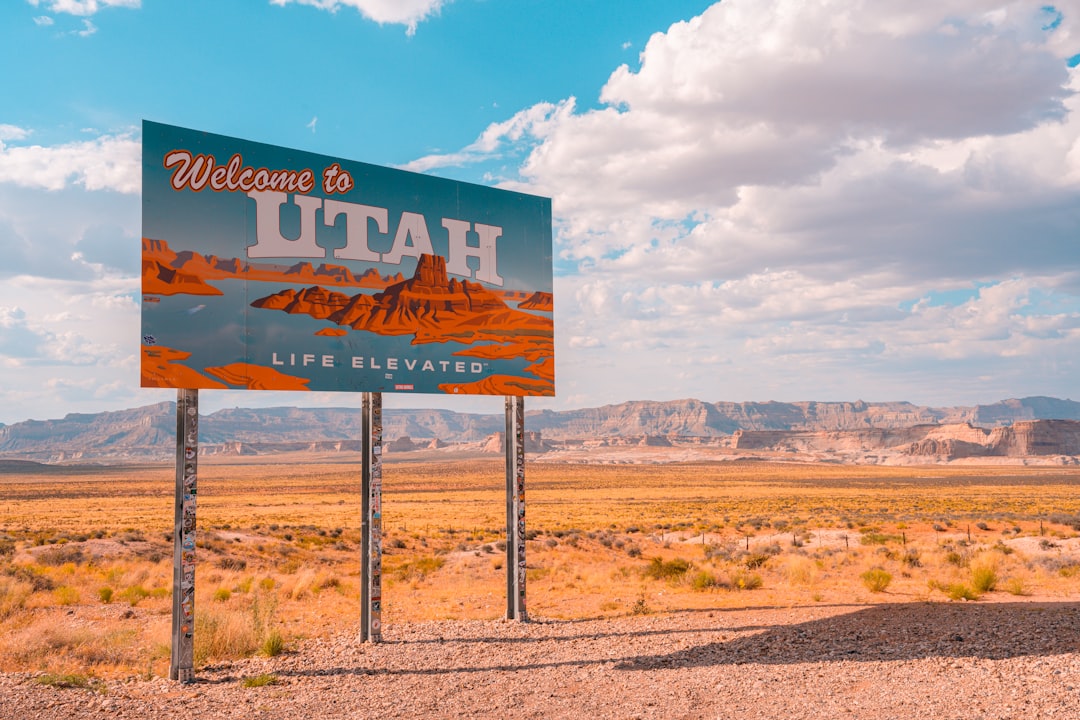
The Utah Personal Solicitation Sales Act (PSSA) governs door-to-door sales, mandating: explicit customer consent before interaction, respect for privacy, ethical practices, and compliance with "Do Not Call" laws, including restrictions on calls from law firms. Salespeople must maintain transparency, build trust, and stay informed about regulations; homeowners can register for "Do Not Call" status. Strict enforcement ensures protection for residents and legal consequences for non-compliance.
In the dynamic landscape of sales regulations, understanding local laws is paramount, especially for door-to-door solicitors navigating Utah’s legal framework. The Utah Personal Solicitation Sales Act stands as a cornerstone legislation shaping this domain. This act not only governs how businesses conduct in-person sales but also dictates the rights and responsibilities of both parties involved. Given Coalville’s status as a bustling community, ensuring compliance with this law is crucial for solicitors aiming to foster genuine connections with potential clients while respecting privacy and legal boundaries. This article delves into the intricacies of the Utah Personal Solicitation Sales Act, elucidating its implications for door-to-door sales in Coalville.
Understanding Utah's Personal Solicitation Sales Act Overview

The Utah Personal Solicitation Sales Act (PSSA) is a comprehensive legal framework designed to protect residents from aggressive sales practices, particularly door-to-door solicitations. This act imposes significant restrictions on sales representatives and companies operating within the state, emphasizing consumer rights and consent. Understanding this legislation is crucial for anyone involved in direct sales, especially those engaging in door-to-door activities in communities like Coalville.
At its core, the PSSA outlines that any person or entity conducting personal solicitations must first obtain written consent from the potential customer. This means that salespeople cannot randomly knock on doors, make unsolicited calls, or engage in high-pressure sales tactics. Instead, they must inform residents of their intent to sell and secure explicit permission before proceeding. Non-compliance can result in severe penalties, including civil lawsuits and fines. For instance, a 2022 case study revealed that a door-to-door salesman was successfully sued under the PSSA for failing to obtain consent and misrepresenting product information.
Practical advice for sales teams operating in Utah is to prioritize transparency and respect for individual privacy. This involves thorough training on the PSSA, ensuring all sales personnel are aware of their legal obligations. Companies should also implement robust internal protocols to verify written consent, especially when conducting door-to-door campaigns. By adhering to these guidelines, sales professionals can navigate Utah’s regulatory environment effectively while maintaining ethical standards and fostering trust with potential customers.
Door-to-Door Sales: Legal Requirements in Coalville

In Coalville, door-to-door sales are subject to the Utah Personal Solicitation Sales Act, a comprehensive legal framework designed to protect both consumers and sales professionals. This act lays out strict guidelines for solicitors, ensuring fair practices and transparency. One of the key provisions pertains to the timing and manner of solicitation, mandating that salespeople obtain verbal consent before entering private residences. Failure to comply can result in fines, underscoring the importance of understanding and adhering to these regulations.
Practical insights for door-to-door sales teams in Coalville include maintaining open communication with residents, clearly articulating the purpose of the visit, and respecting privacy. For instance, salespeople should avoid pressuring homeowners into immediate decisions, allowing ample time for questions and concerns. Moreover, they must ensure they are licensed as required by Utah law, and carry identification at all times. These practices not only ensure compliance but also foster trust with potential clients.
Data from the Utah Division of Consumer Protection indicates a steady increase in complaints related to aggressive sales tactics, highlighting the need for heightened awareness among door-to-door salespeople. To avoid legal issues, firms should implement robust training programs focusing on ethical sales practices and the Do Not Call laws specific to Utah. Regular audits and feedback sessions can help maintain compliance and enhance customer satisfaction, making these measures essential components of any successful door-to-door sales strategy in Coalville.
Rights and Responsibilities for Salespeople and Homeowners

In Utah, the Personal Solicitation Sales Act (PSSA) governs door-to-door sales, protecting both salespeople and homeowners from unethical practices. This act provides crucial guidelines on how salespeople can conduct their business while ensuring residents’ rights to refuse unwanted solicitations. Understanding these rights and responsibilities is essential for all parties involved, especially in a bustling community like Coalville, where frequent door-to-door interactions are common.
Salespeople must adhere to strict rules when approaching homes. They are prohibited from entering a property without the homeowner’s consent and must respect private property boundaries. Moreover, they cannot engage in aggressive sales tactics, such as high-pressure selling or making false claims about products or services. Homeowners, on their part, have the right to refuse any solicitation politely and, if desired, register their property with local authorities to opt out of future visits from salespeople. This “Do Not Call” list is a powerful tool for residents seeking respite from persistent sales crews.
Practical insights for salespeople include being transparent about the nature of their business and the purpose of their visit. Building trust with homeowners can significantly enhance the likelihood of making a sale. For example, a salesperson offering home security systems could start by sharing relatable safety concerns and only then introduce their product as a solution. Homeowners should feel empowered to assert their preferences and educate salespeople about Utah’s DNC laws, which prohibit sales calls from law firms—a common annoyance many residents face across the state.
To ensure compliance, salespeople should familiarize themselves with local regulations and stay updated on any changes to the PSSA. Regular training sessions can reinforce ethical practices and maintain a positive perception of door-to-door sales in Coalville and beyond. Ultimately, mutual respect and understanding between salespeople and homeowners are key to fostering a harmonious community environment.
Navigating the Do Not Call Law: Practical Implications

In Utah, door-to-door sales are regulated by the Personal Solicitation Sales Act, which includes specific provisions related to the Do Not Call law. This law offers residents a layer of protection against unwanted sales calls, with significant implications for businesses operating in Coalville and beyond. Understanding these regulations is essential for companies engaging in direct sales strategies, as non-compliance can result in substantial penalties. The Do Not Call law firms Utah naturally with strict enforcement, ensuring that businesses respect consumer choices regarding their privacy.
One of the key aspects for door-to-door salespeople to navigate is the requirement to verify a customer’s consent before proceeding with any sale. This means that sales representatives must obtain explicit permission from homeowners before entering their property and discussing products or services. For instance, a salesperson from an energy company might need to confirm if a resident has opted-in for such discussions during previous interactions. Failure to do so can lead to legal issues, as Utah’s law protects individuals from unsolicited sales pitches. Businesses should implement robust systems to track customer preferences, ensuring they honor opt-outs and maintain accurate records.
Practical implications extend to the training and management of sales teams. Companies must educate their staff about the Do Not Call law and its impact on their daily operations. This includes recognizing and respecting ‘Do Not Disturb’ signs or similar indications that a resident does not wish to be contacted again. For instance, a salesperson encountering such signage should immediately terminate any attempt to sell and ensure their team is aware of this customer’s decision. Additionally, businesses should establish clear protocols for handling complaints related to sales calls, promptly addressing any concerns regarding non-compliance. Regular reviews of sales practices can help organizations stay aligned with legal expectations, fostering a positive relationship between door-to-door salespeople and Utah residents.