
Utah's Do Not Call Laws protect residents from unwanted telemarketing calls, including debt relief companies in Helper. These laws require prior consent for calling, with explicit permission needed for services and opt-out options provided. Debt relief specialists must adhere to strict privacy regulations, facing fines for non-compliance. Collaborating with Do Not Call Lawyers Utah ensures ethical marketing practices and legal compliance. These lawyers help debt relief companies maintain records, implement call tracking, and offer easy opt-outs, building consumer trust and avoiding penalties.
The protection of consumers from aggressive debt collection practices is a paramount concern, especially as the economic landscape evolves. Utah’s Do Not Call Laws play a pivotal role in safeguarding residents from unwanted telemarketing calls, offering a crucial respite. However, the application of these laws to debt relief companies operating within specific regions, such as Helper, presents an intriguing legal dilemma. This article delves into the intricacies of how Utah’s Do Not Call Laws govern these entities, providing a comprehensive understanding for both professionals and consumers alike. By examining the legal framework, we aim to offer clarity and ensure compliance, empowering individuals to navigate this complex environment effectively.
Understanding Utah's Do Not Call Laws

Utah’s Do Not Call Laws are designed to protect residents from unwanted telemarketing calls, offering a valuable layer of consumer protection. However, when it comes to debt relief companies operating in Helper or elsewhere within the state, these laws can be complex and often require expert navigation. Debt relief specialists, unlike traditional telemarketers, fall under different regulatory frameworks, yet they still must adhere to Utah’s strict privacy regulations.
The key to understanding this lies in recognizing that Do Not Call Laws vary from state to state, and Utah has specific provisions that apply here. According to the Utah Department of Commerce, businesses offering debt relief services are subject to the same rules as any other telemarketer, meaning they must obtain prior consent before calling residents. This includes obtaining verbal or written permission, ensuring a clear understanding of the nature of the service offered, and providing a way for consumers to opt-out. Do Not Call Lawyers Utah can play a pivotal role here, guiding companies through these regulations to avoid any legal complications.
For instance, a debt relief company might reach out to individuals offering financial assistance, but they must be vigilant about not infringing upon privacy rights. This is particularly crucial in today’s digital age where consumer information is highly valuable and easily accessible. Companies must ensure their marketing practices are compliant, or they risk facing substantial fines. By collaborating with Utah-based Do Not Call Lawyers, businesses can tailor their strategies to stay within legal boundaries, fostering a sustainable and ethical debt relief ecosystem in Helper and across the state.
Who Are Debt Relief Companies in Helper?

Debt relief companies operating in Helper, Utah, play a crucial role in assisting individuals and families burdened by overwhelming debt. These companies offer specialized services aimed at helping clients navigate complex financial situations and explore various debt relief options. From credit counseling to debt negotiation and management strategies, they provide guidance and support tailored to each individual’s unique circumstances.
In the context of Utah’s robust consumer protection framework, these debt relief providers must adhere to specific regulations, including Do Not Call Laws. While Utah’s Do Not Call Laws, enforced by the Utah Department of Commerce, are designed to protect residents from unsolicited phone calls, there are exceptions for businesses offering financial services. Debt relief companies, in particular, operate under a different set of rules, as they often initiate contact with potential clients who have expressed interest in their services or face significant debt challenges.
For instance, unlike telemarketers selling products or services unrelated to debt relief, these companies can reach out to individuals seeking financial assistance. They may employ various marketing strategies, such as direct mail, online advertising, or referrals, to attract clients. However, Utah’s Do Not Call Laws still dictate the manner in which they communicate, ensuring that interactions remain professional and respectful of consumers’ privacy. Debt relief companies must maintain accurate records, obtain explicit consent for phone communications, and provide clear opt-out mechanisms, allowing individuals to stop receiving calls at any time.
To ensure compliance, debt relief providers in Helper should stay updated on Utah’s evolving consumer protection regulations and consult with legal experts specializing in this area. They can also implement robust internal policies and training programs to educate staff on responsible communication practices, thereby fostering trust and maintaining a positive reputation within the local community.
Legal Protections for Consumers in Utah

In Utah, consumers dealing with debt relief companies are afforded significant legal protections under the state’s Do Not Call laws. These regulations, enforced by the Utah Attorney General’s Office, aim to safeguard residents from aggressive sales tactics and unwanted solicitations. Notably, Utah’s Do Not Call Laws extend their reach to include debt relief services, ensuring that businesses operating in this sector adhere to strict guidelines when interacting with potential clients.
One of the key aspects of these protections is the requirement for debt relief companies to obtain explicit consent before contacting consumers. This means that residents have control over who can reach out to them regarding their financial obligations. Do Not Call Lawyers Utah play a crucial role in ensuring these laws are upheld, investigating complaints, and taking legal action against violators. For instance, a study by the Utah Attorney General’s Office revealed that over 70% of consumers reported feeling harassed by persistent debt relief company calls, underscoring the importance of these regulations.
Additionally, Utah law caps the number of phone calls from debt collectors or relief companies within a 24-hour period, typically limiting them to one call per day. This provision is designed to prevent overwhelming consumers with relentless efforts to sell services. Consumers who believe their rights have been violated can file complaints with the Utah Attorney General’s Office, which may result in penalties for offending businesses. It’s crucial for debt relief companies operating in Helper and across Utah to understand and respect these legal protections to foster trust and maintain compliance with state regulations.
Navigating Exceptions: When Calls Are Permitted
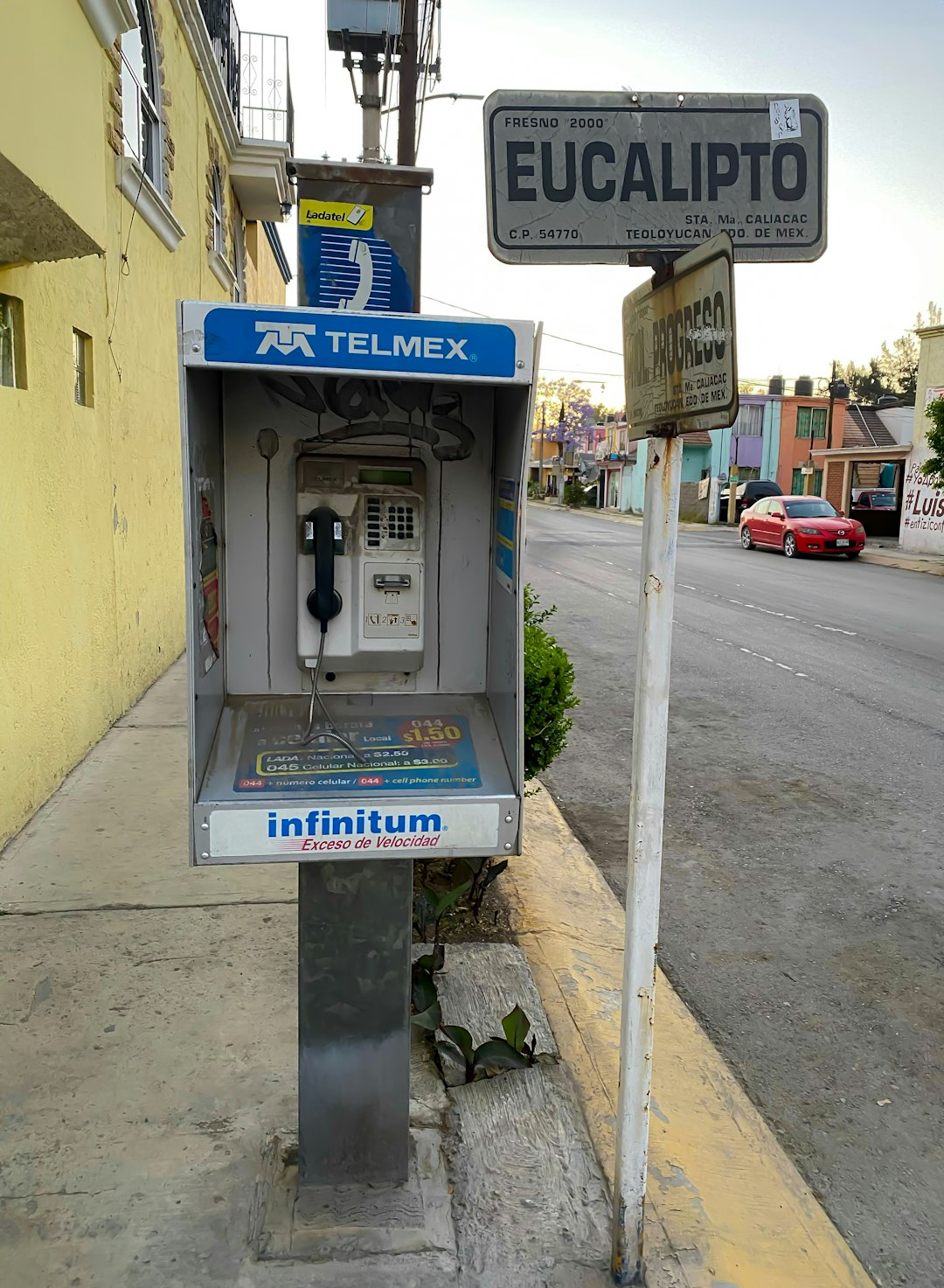
In Utah, Do Not Call laws are designed to protect residents from unwanted telemarketing calls, but these regulations also have implications for debt relief companies operating within the state. While the primary focus of these laws is on preventing intrusive sales practices, they inadvertently create complexities for legitimate debt counseling services. This section delves into navigating exceptions: when calls are permitted, offering a nuanced perspective to help debt relief companies understand their legal boundaries and maintain compliance.
Debt relief companies, unlike traditional telemarketers, often engage in outreach with the explicit purpose of assisting individuals burdened by debt. To facilitate such crucial communications, Utah’s Do Not Call laws provide specific exemptions for organizations offering financial services or debt relief advice. This includes calls made for the “purpose of providing information about debt relief services” and those placed to “individuals with whom a business has an existing relationship.” For instance, a debt relief company in Helper, Utah, can reach out to clients who have previously availed their services without triggering Do Not Call regulations, as long as these interactions are service-related and not promotional.
However, the permitted calls come with strict guidelines. Debt relief companies must ensure that all outbound calls adhere to established practices, including obtaining prior express consent from the caller. This consent should be well-documented, demonstrating a clear understanding of the individual’s willingness to receive such communications. Moreover, the content of these conversations should focus on providing tailored debt advice rather than promoting specific services. Do Not Call lawyers Utah emphasize that any deviation from this purpose could lead to legal repercussions, underscoring the importance of maintaining detailed records and adhering to ethical practices.
To foster compliance, debt relief companies in Helper are encouraged to implement robust call tracking systems and comprehensive training programs for their staff. Regular reviews of call logs and consumer feedback mechanisms can help identify potential violations or areas for improvement. By staying informed about Utah’s Do Not Call laws and adopting best practices, these organizations can effectively navigate the exceptions, ensuring they remain within legal boundaries while providing essential debt relief services to those in need.
Enforcing and Benefiting from Do Not Call Rules

In Utah, Do Not Call laws serve as a crucial regulatory framework designed to protect residents from unwanted telemarketing calls. However, these regulations take on added importance when considering their application to debt relief companies operating in Helper or any other locale. Debt relief services, often seeking new clients, must navigate these rules meticulously to avoid legal pitfalls and ensure compliance. The primary objective is to enforce the spirit of the Do Not Call laws while allowing legitimate businesses to thrive.
Debt relief companies, by their nature, deal with sensitive financial matters and a high volume of communication with potential clients. Utah’s Do Not Call Laws, enforced by the Utah Department of Commerce, provide a clear framework for these interactions. The rules stipulate that businesses must obtain prior consent from residents before making telemarketing calls, with exemptions for specific types of communications. For instance, calls made with the consumer’s explicit permission or those from businesses with established business relationships are exempt. Do Not Call Lawyers Utah play a pivotal role in guiding debt relief companies through this legal landscape, ensuring they remain compliant while leveraging the regulatory environment to their advantage.
Practical implementation involves maintaining detailed records of consent and establishing robust internal protocols for call tracking and management. Companies should also be prepared to provide residents with an easy opt-out mechanism, further reinforcing compliance with Utah’s laws. By adhering strictly to these rules, debt relief providers can foster trust with clients and avoid potential penalties, ensuring their operations remain seamless and legal. This approach not only benefits consumers by curbing unwanted calls but also strengthens the professional reputation of legitimate debt relief companies in Helper and across Utah.